
A $60K Grant with a $1.3M Return: UWG’s Jonassen Helps Reduce Financial Burden for Nursing Students Share this page
For hundreds of University of West Georgia nursing students, the cost of course materials once felt like a burden. Dr. Susie Jonassen changed that.
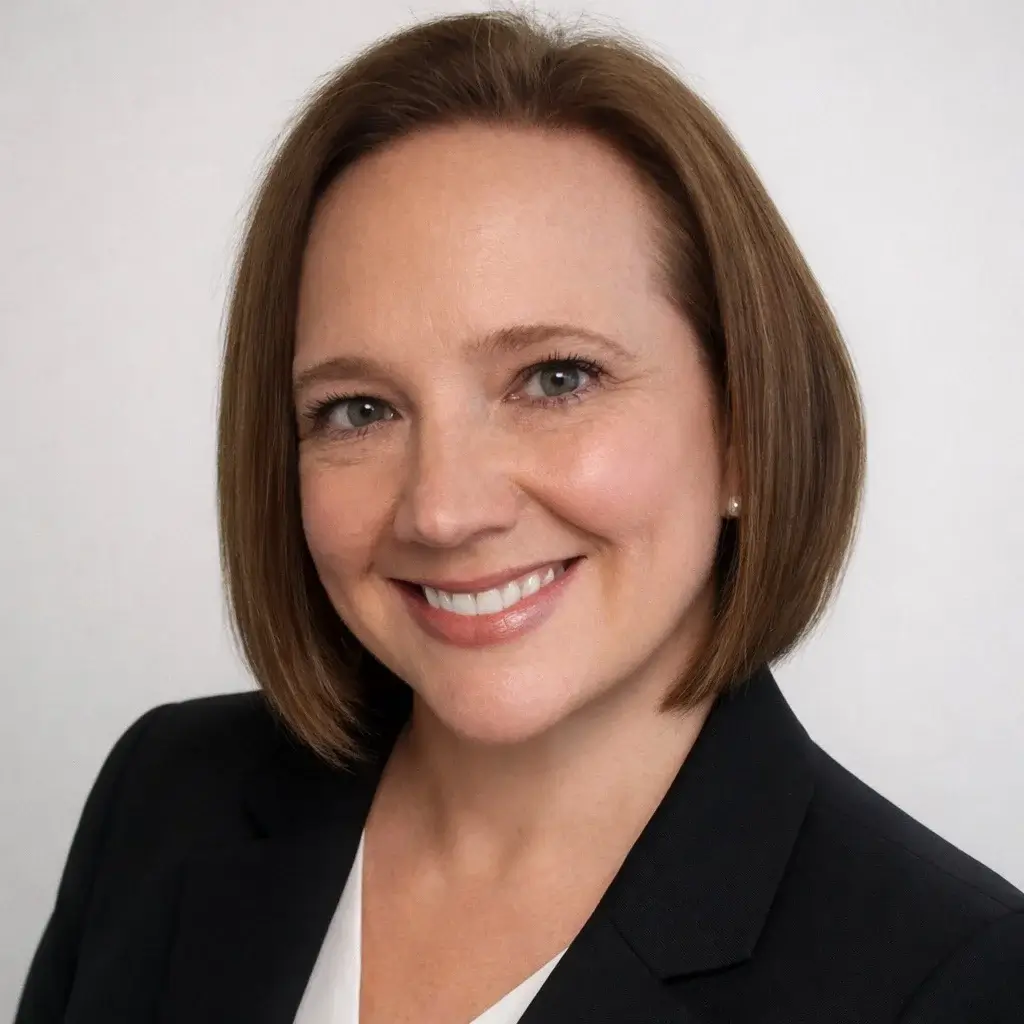
Through two University System of Georgia Affordable Learning Grants (ALG), Jonassen led a sweeping redesign of eight courses at the Tanner Health School of Nursing (THSON), replacing expensive textbooks with affordable, accessible learning resources. The result – $1.3 million in annual savings – is more than a financial win; it’s a lifeline that allows future nurses to focus on mastering their craft rather than managing debt.
“Nursing students already invest significant time, energy and financial resources into their education,” said Jonassen, assistant professor and assistant dean of pre-licensure nursing. “I wanted to remove obstacles that didn’t contribute to learning. These grants gave us the opportunity to replace expensive commercial resources with high-quality, evidence-based materials that every student could access from the first day of class. My goal wasn’t simply to save students money; it was to create a more equitable learning environment where every student starts on equal footing.”
The first beneficiaries of the redesign – ALG only recently took effect in August, the beginning of a new academic year – have a cohesive experience where resources are integrated directly into the course, aligned with learning outcomes that are available whenever they need them. Instead of navigating multiple platforms and expensive materials, they can focus on developing the clinical reasoning and critical thinking skills that are paramount in preparing them for patient care.
Nursing education is uniquely intensive, Jonassen pointed out, with challenges including rigorous coursework, simulations, clinical rotations, skills practice, exams, and frequent employment and family responsibilities.
“These savings represent much more than a number,” she continued. “For many students, it means not having to choose between buying textbooks or paying rent, purchasing groceries, or covering childcare or travel expenses. Ultimately, these savings allow students to devote more time and energy to studying, preparing for clinicals and taking care of themselves – all which contribute to their overall success. By reducing the cost of educational materials while maintaining academic rigor, students can focus on being safe, competent nurses rather than worrying about whether they can afford the resources needed to succeed.”
Several principles guided Jonassen’s approach to redesigning these courses with a clear set of guiding principles to ensure affordability never compromised academic rigor or clinical readiness. Every resource selected had to align with course outcomes, current evidence and the American Association of Critical-Care Nurses Essentials while supporting preparation for the National Council Licensure Examination and real-world practice. She also prioritized accessibility, choosing materials that students could use immediately across all devices.
Above all, she designed each course with intentionality – replacing not just textbooks but rethinking the entire learning experience so that every reading, activity and assessment served a defined purpose and meaningfully advanced students’ readiness for the profession.
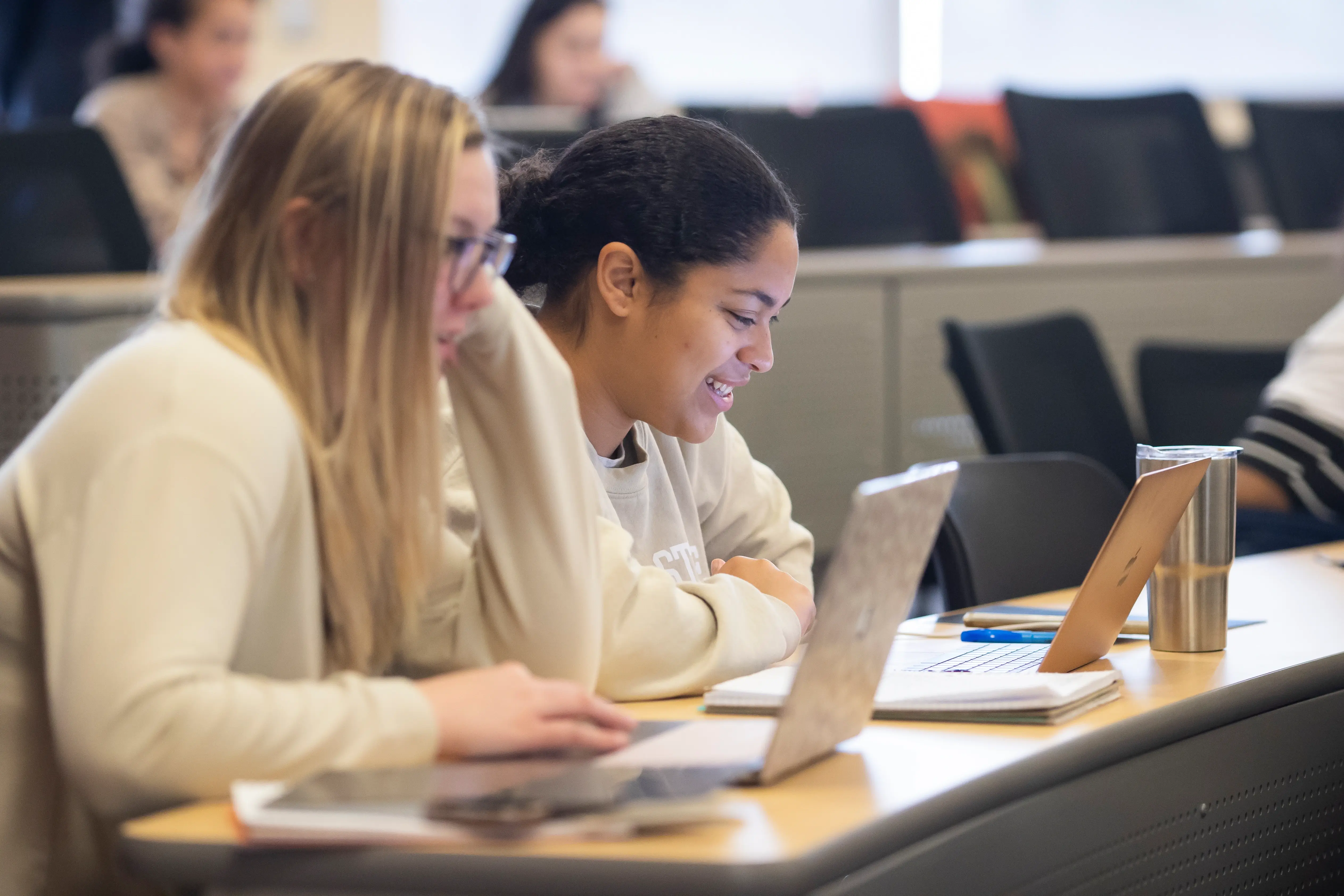
Dr. Imelda Reyes, THSON dean, reiterated that thanks to Jonassen’s innovative redesigns, nursing students are now saving a remarkable amount by no longer having to purchase expensive course materials.
“Our students shared that the costs of books were a barrier to their learning,” Reyes explained. “We are now utilizing open education resources in the form of free books either online or through our library. We have been able to find equivalent books in terms of content and still enhance their learning. We are very excited about this initiative and are eager to continue this continuous improvement journey to meet student needs.”
Jonassen explained the next step in the process is to continue building a sustainable model for affordable learning across the curriculum, including expanding the use of high-quality open educational resources, continuously evaluating student outcomes, and refining courses based on faculty and student feedback.
“We also hope to share what we’ve learned with other nursing programs so they can adopt similar approaches,” she concluded. “The ultimate goal is to ensure that financial barriers never stand in the way of preparing the next generation of nurses.”