
The Power of Play: UWG Alumnus and Carrollton City Manager Helps Build Belonging, One Family at a Time Share this page
On any playground, the sounds of laughter and play are universal. But for many families, traditional recreational areas can create barriers rather than opportunities. As Carrollton city manager and University of West Georgia alumnus David Brooks ’92 helped bring an inclusive playground to life, he wasn’t simply overseeing another municipal project. He was helping create a space where every child, regardless of ability, can play, connect and belong.
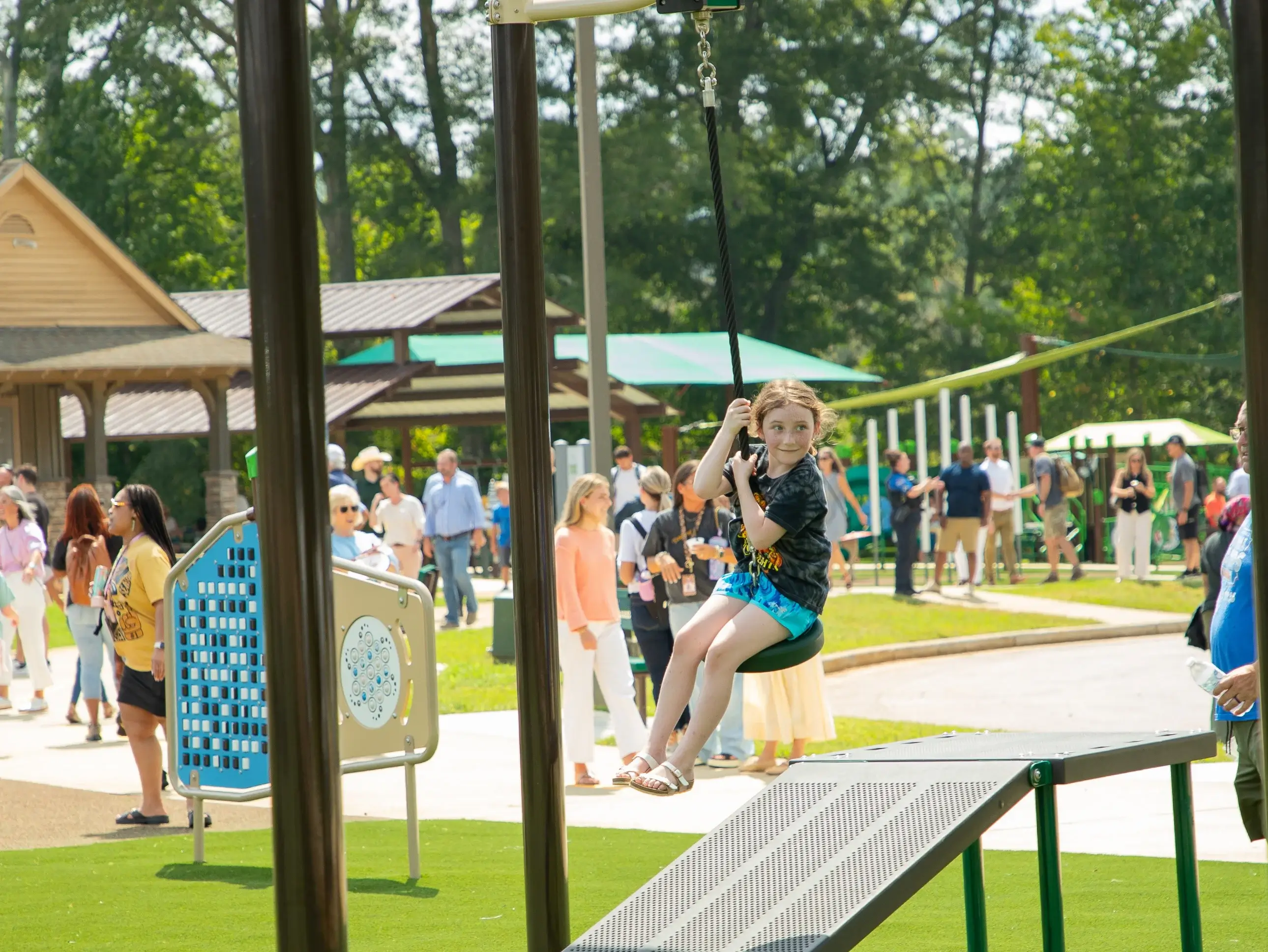
For Brooks, a city’s success isn’t measured only by paved roads or budgets balanced. It’s reflected in whether every resident feels seen, valued and included. That same philosophy was the impetus behind the creation of the All Ages and Abilities Playground at Hobbs Farm Park.
“No city can remove every barrier, but we should continually look for opportunities to make our community more accessible and welcoming,” Brooks said. “This playground is a visible example of that commitment. It also says something about the people of Carrollton. This project grew from an idea brought forward by a citizen, gained community support and became something that families can enjoy. That spirit of partnership is one of Carrollton’s greatest strengths.”
The partnership between UWG and the City of Carrollton has become increasingly visible through initiatives ranging from the downtown Investiture Celebration to collaborative development efforts at home and abroad. The relationship reflects the best of a town-and-gown partnership, with alumni leaders like Brooks serving as a living connection between the university and the community it calls home.
Brooks has spent his career – the majority of which was serving Carrollton City Schools – in the service of fellowship. After graduating from then-West Georgia College with a degree in mathematics and computer science, a younger Brooks was driven by his athletic abilities to work as a high school football coach. But armed with a certificate to teach math, he quickly developed a passion for working with young people, building relationships and helping them succeed.
This drive took Brooks from teacher and football coach to athletic director then principal.
“These roles allowed me to build strong relationships and partnerships with parents, business leaders, elected officials and others,” he explained. “They also gave me a broader understanding of Carrollton and how schools, local governments, businesses, nonprofits and organizations all have to work together for a community to be successful.”
After nearly three decades in education, Brooks was ready for a new challenge. He retired from Carrollton City Schools but still wanted to serve the community. In 2021, he joined the city of Carrollton as assistant city manager and quickly climbed the ranks to city manager in 2022.
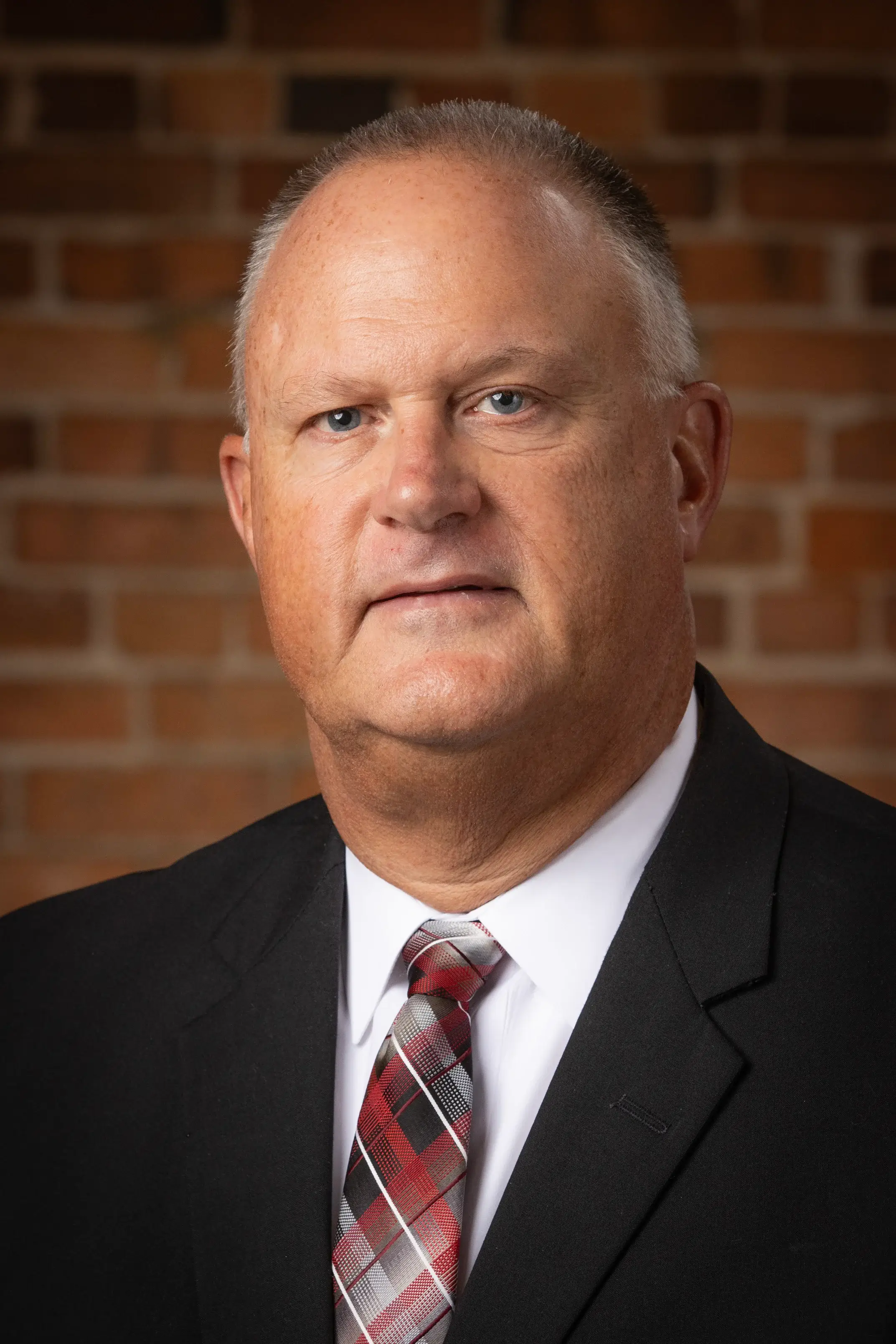
“In many ways, I don’t view the transition from education to local government as different,” he said. “Both careers are about serving people, building relationships and leaving your community better than you found it.”
The vision for a disability-inclusive playground came from community advocate Connie McNiel, who approached Brooks and Carrollton Mayor Betty Cason about the idea in what Brooks called “a great example of what can happen when citizens and local government work together.”
Hobbs Farm Park was chosen as the ideal location, but the playground isn’t just child’s play.
“One of the things I appreciate most about the design is that parents, grandparents and caregivers with disabilities can also move throughout the playground,” Brooks shared. “Parents who use wheelchairs, for example, don’t have to sit on the perimeter and watch their child play from a distance. They can participate. Recreation should bring families together, not create another barrier that separates them. Having spent most of my career in education, I learned that every family has different needs and circumstances – and how important it is for people to feel included rather than simply accommodated.”
There’s another benefit, too.
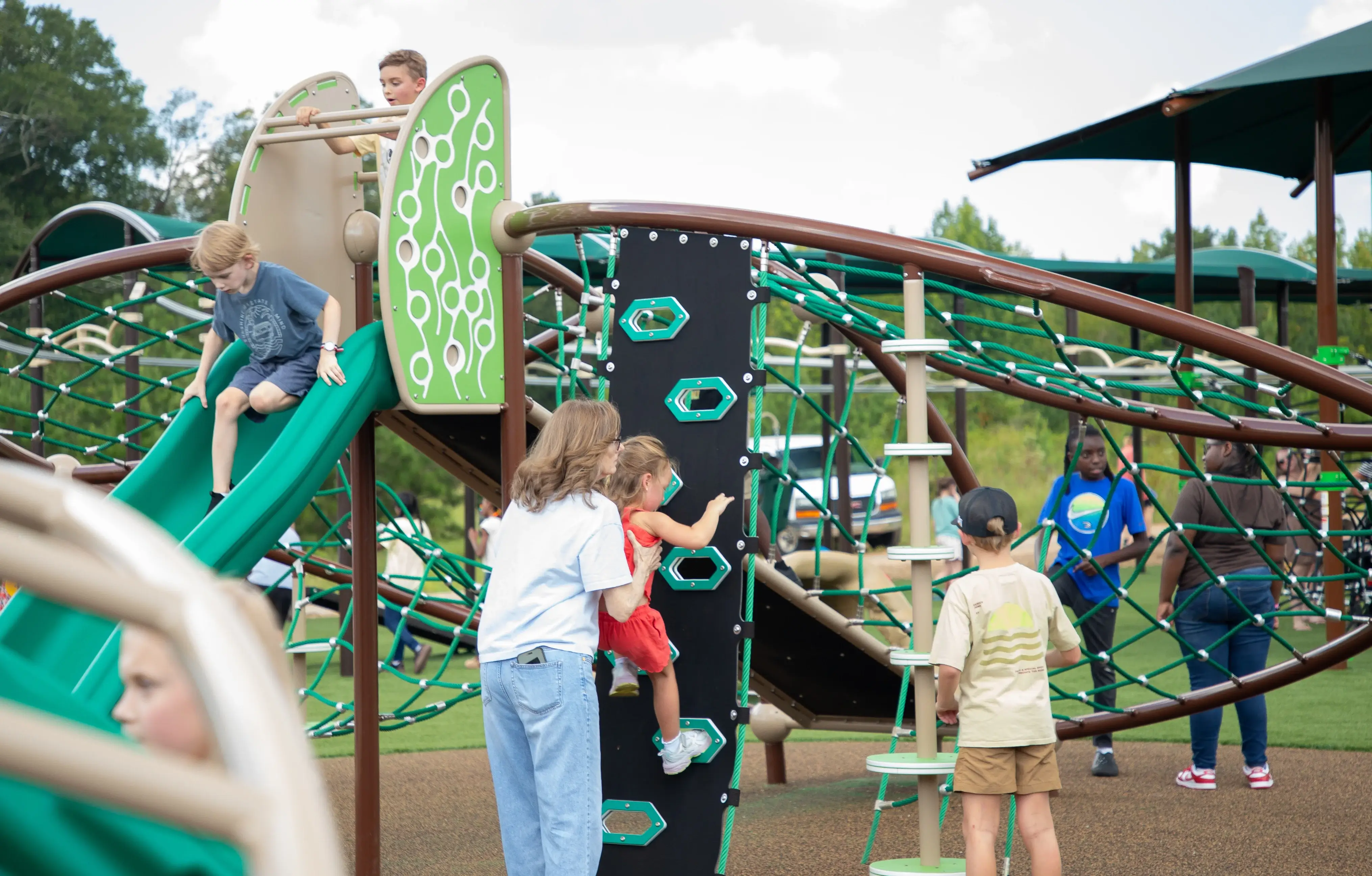
“An inclusive playground allows children of different abilities to play alongside one another rather than being separated by the limitations of traditional playground equipment,” Brooks continued. “Children learn from being around people whose experiences may be different from their own. Those interactions help build understanding, empathy and friendships at an early age.”
Brooks knows firsthand how important it is to experience a diverse environment and develop relationships with people whose backgrounds and experiences differ from your own. He learned that at UWG where he formed bonds with international and minority students and worked with special-needs children as part of his practicum.
“Those experiences helped me understand early in my career that people may need different types of support to have the same opportunity to succeed,” Brooks said. “Difficult circumstances don’t necessarily mean you’re on the wrong path. Sometimes they simply mean you must work harder, ask for help and keep moving forward.”
He reflected on his time at UWG and the professors who made a lasting impact, like Dr. James ‘Earl’ Perry and Dr. Karen Smith, who didn’t lower expectations but helped him meet them.
That’s why throughout his career – be it coaching, educating or serving as a government official – he remembers that good leaders set high expectations while providing people with the encouragement and resources they need to reach them.
“My professors’ influence went beyond helping me earn a degree,” he explained. “When someone takes the time to invest in your success, you carry that with you. I’ve tried to provide that same type of support. Leadership requires accountability but also empathy. I am grateful and proud that UWG was part of my story and ultimately prepared me to serve the same community the university calls home.”
And as far as the All Ages and Abilities Playground is concerned, Brooks hopes its impact reaches beyond the city limits.
“If another community visits Carrollton, sees what’s been created here and decides to develop something similar, that would be a tremendous legacy,” Brooks concluded. “Ultimately, I hope we reach the point where inclusive design isn’t considered something unique or extraordinary. It simply becomes the way communities think when they build public spaces.”