
B.S. Physics Program Map

Astronomy Concentration
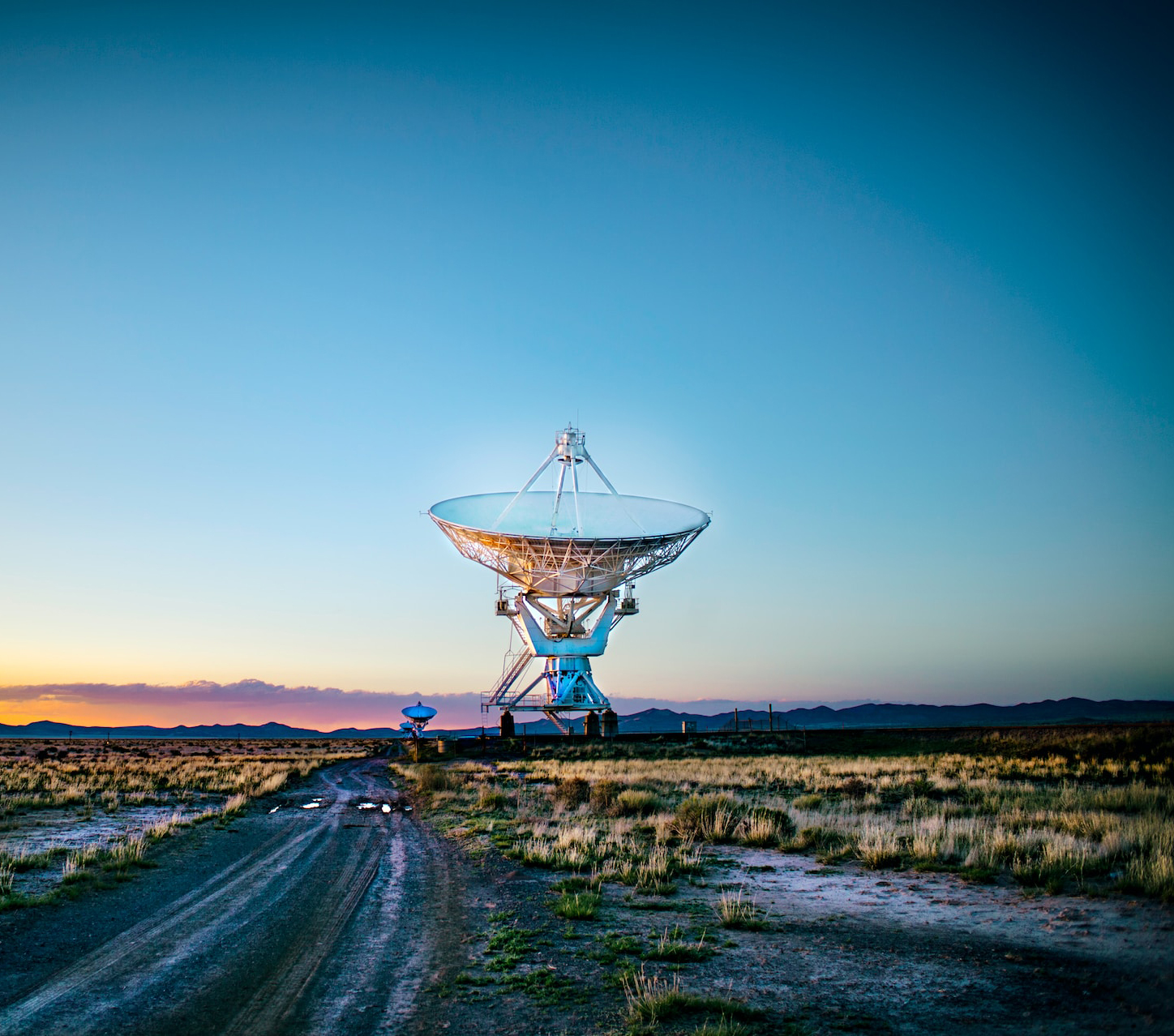
The B.S. in Physics with a Concentration in Astronomy emphasizes observational astronomy as well as stellar and galactic astrophysics. This concentration is designed for students who desire an increased emphasis on image processing techniques and radiative processes and energy transport.
Stats
60
Core Credit Hours
47
Major Credit Hours
13
Elective Credit Hours
Plan Your Degree
Disclaimer: This program map is intended ONLY as a guide for students to plan their course of study. It does NOT replace any information in the Undergraduate Catalog, which is the official guide for completing degree requirements.
| Course Name | Credit Hours |
|---|---|
|
C: ENGL 1101
English Composition I |
3 |
|
M: MATH 1113
Precalculus |
4 |
|
ASTR 2313
Astronomy |
3 |
|
I: XIDS 2002
What do you know about: xx |
2 |
|
T: CHEM 1211 + Lab
Principles of Chemistry I |
4 |
Milestones:
- Complete ENGL 1101 with a C or better.
- Complete Area M Math.
| Course Name | Credit Hours |
|---|---|
|
C: ENGL 1102
English Composition II |
3 |
|
T: MATH 1634
Calculus I |
4 |
|
T: CHEM 1212 + Lab
Principles of Chemistry II |
4 |
|
I: Oral Communications |
2 |
|
Core Option: A, S, or P |
3 |
Milestones:
- Complete ENGL 1102 with a C or better.
- Complete Calculus I (MATH 1634) over the summer in order to start PHYS sequence in the fall, if needed.
16 Fall Credit Hours + 16 Spring Credit Hours = 32 Credit Hours
| Course Name | Credit Hours |
|---|---|
|
F: PHYS 2211 + Lab
Principles of Physics I |
4 |
|
F: MATH 2644
Calculus II |
4 |
|
MATH 2853 OR Elective
Elementary Linear Algebra or Elective |
3 |
|
PHYS 2130
Sophomore Physics Seminar |
1 |
|
Core Option: A, S, or P |
3 |
| Course Name | Credit Hours |
|---|---|
|
F: PHYS 2212 + Lab
Principles of Physics II |
4 |
|
MATH 3303
Ordinary Differential Equations |
3 |
|
F: MATH 2654
Calculus III |
4 |
|
ASTR 3683
Astronomy Research |
1 |
|
Core Option: A, S, or P |
3 |
Milestones:
- Complete Principles of Physics sequence.
- Complete Math up to ODE.
15 Fall Credit Hours + 14 Spring Credit Hours = 29 Credit Hours
| Course Name | Credit Hours |
|---|---|
|
PHYS 3503
Modern Physics |
3 |
|
PHYS 3113
Mechanics |
3 |
|
ASTR 3133
Observational Astronomy |
3 |
|
MATH Elective |
3 |
|
Core Option: A, S, or P |
3 |
| Course Name | Credit Hours |
|---|---|
|
PHYS 3213
Thermodynamics |
3 |
|
PHYS 3133
Electricity and Magnetism |
3 |
|
ASTR 4103/4433 OR PHYS 4323/4333 |
3 |
|
Elective |
3 |
|
Core Option: A, S, or P |
3 |
15 Fall Credit Hours + 15 Spring Credit Hours = 30 Credit Hours
| Course Name | Credit Hours |
|---|---|
|
MATH Elective |
3 |
|
PHYS Elective |
3 |
|
PHYS Elective |
3 |
|
Elective |
3 |
|
Elective |
2 |
| Course Name | Credit Hours |
|---|---|
|
ASTR 4103/4433 OR PHYS 4323/4333 |
3 |
|
Elective |
3 |
|
PHYS Elective |
3 |
|
Elective |
3 |
|
Core Option: A, S, or P |
3 |
14 Fall Credit Hours + 15 Spring Credit Hours = 29 Credit Hours
Crush Your Course
First Year:
- Enroll in XIDS 2001: Physical Universe and Core IMPACTS courses.
- Complete math courses through Calculus 1.
- Take Principles of Physics 1 (or ASTR 2313) in your second semester.
- Attend physics workshops.
- Meet with your Physics mentor.
Middle Years:
- Complete Principles of Physics.
- Take Modern, Mathematical, Mechanics, E&M and Thermal.
- Establish your pathway/concentration.
- Take core and electives to balance upper-level coursework.
Last Year:
- Finish your degree requirements.
- Complete your research/internships.
- Present at a conference.
- Write a scientific paper.
- Finish strong.
Find Your Place
First Year:
- Meet Physics faculty and learn about their research and scholarship opportunities.
- Join the Physics Engineering club.
- Connect with junior/senior/physics students and ambassadors.
Middle Years:
- Become a Student Assistant for a physics lab, workshops, or the Observatory.
- Get involved in research or an internship.
- Apply for summer internships or REUs.
- Attend a scientific conference.
Last Year:
- Become a Physics Ambassador.
- Expand your professional network.
- Apply for internships in local industries or graduate programs.
- Attend career fairs. Send your resume to one of our alumni.
Broaden Your Perspectives
First Year:
- Check out the education abroad office.
Middle Years:
- Consider a study abroad program. Check out students’ stories of their experiences.
Last Year:
- Assess your cultural competency.
- Consider working abroad and research visa regulations.
- Explore practices of creating more inclusive careers.
Connect Off-Campus
First Year:
- Visit Wolves Vote to learn about the voting process and registration.
- Consider volunteering for a campaign or organization in your community.
Middle Years:
- Complete an internship in your field.
- Consider a summer or part-time job.
- Ask your department about networking opportunities with alumni.
Last Year:
- Ask for advice from professionals in your field of interest.
- Explore career shadowing opportunities.
Take Care of Yourself
First Year:
- Visit Health Services.
- Get fit! Visit URec to see all your options.
- Visit the Center for Economic Education and Financial Literacy.
Middle Years:
- Take a fitness class, climb the rock wall, or join an intramural team.
- Consider whether counseling is right for you: take a mental health screening.
Last Year:
- Explore a farmer’s market for fresh produce.
- Develop a post-graduation exercise plan.
- Explore your loan repayment options and complete your exit counseling.
Pave Your Path
First Year:
- Complete a self-assessment to see what careers and majors are right for you.
- Visit Career Services.
- Create your profile on Handshake.
- Consider applying for an on-campus job.
Middle Years:
- Draft your resume and attend a resume blitz.
- Learn about how to network on social media and update your Handshake profile.
- Draft your personal statement.
- Visit the graduate school to find out about graduate programs and admission requirements.
Last Year:
- Request references from professors and supervisors.
- Draft your resume cover letter and personal statement and revise it with career services.
- Attend business fairs and career fairs at UWG and across the state.
- Attend an interview workshop.
- Apply for graduate programs.
Careers
Career Opportunities
This degree may help you get work as the following:
- Aerospace Engineer
- Astronomer
- Data Scientist
- Geophysicist
- Lab Manager
- Medical Physicist
- Optical Engineer
- Physics Teacher
- Professor
- Research Scientist
HeadingSub-Heading
Have any questions about your major?
Don't forget to check out Wolf Watch to explore degree requirements!