The Health Professions Pathway is for students who are interested in careers like medicine, dentistry, veterinary medicine, pharmacy, physical therapy, and other health fields. It helps you explore your interests, choose the right courses, and prepare for what comes next after your bachelor’s degree.
Preparing for Professional School
To become a doctor, dentist, pharmacist, physical therapist, or other health care professional, you must earn a professional graduate degree after college. These degrees provide the training and hands-on experience needed to care for patients and qualify for licensure. Your undergraduate years are the first step—helping you build the knowledge, skills, and experiences needed to apply to these programs.
Recommended preparatory Programs at UWG
There is no single “right” major for students interested in the health professions. What matters most is choosing a major you enjoy and can do well in while completing the required courses for graduate school.
B.S. Biology — Biomedical Sciences
Whether you’re aiming for medical, dental, veterinary, physical therapy, or physician assistant programs, this program is aligned with entrance exam expectations and performance standards in today’s top health‑related pathways and demands in the health sciences.
Whether you’re aiming for medical, dental, veterinary, physical therapy, or physician assistant programs, this program is aligned with entrance exam expectations and performance standards in today’s top health‑related pathways and demands in the health sciences.
This non-thesis concentration is ideal for students bridging the gap between undergraduate and professional school, providing additional preparation for careers in medicine, dentistry, pharmacy, veterinary science, physical therapy, and biomedical research.
Admission to professional graduate programs is very competitive! Professional schools evaluate applicants holistically. Strong candidates start building a portfolio early and intentionally throughout their undergraduate education. Health professional schools focus on:
Completion of required prerequisite courses (such as biology, chemistry, physics, and math)
Strong academic performance (grade point average, also referred to as GPA)
Standardized professional school admissions test scores (see examples below)
Hands-on experiences (clinical, research, service, or shadowing)
Community service and volunteering
Leadership activities
Letters of recommendation
Personal qualities like motivation, communication and interpersonal skills, and commitment to helping others
Alumni Success Stories
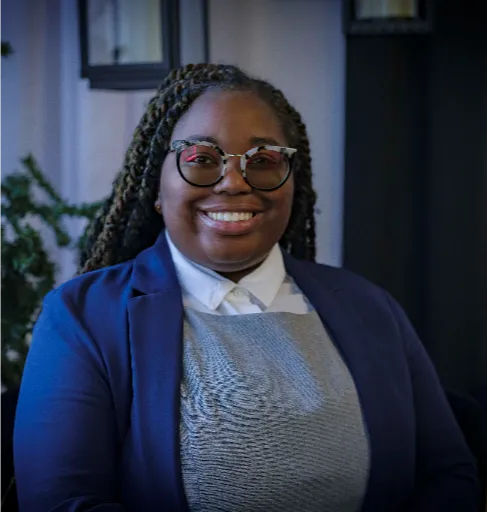
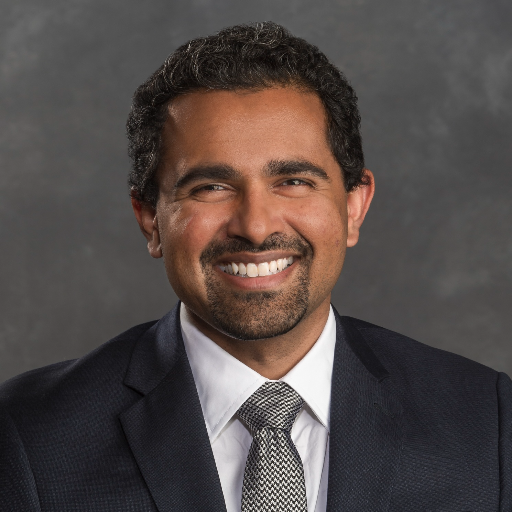
Oreoluwa Adebajo
Bachelor of Science in Chemistry, 2021
Mercer University College of Pharmacy, Doctor of Pharmacy (PharmD) Class of 2025
Pharmacist at Medex Pharmacy, an independent community pharmacy.
"My time at UWG was very impactful in preparing me for professional school. Serving as a workshop leader and teacher’s assistant helped me develop strong multitasking skills, discipline, and a strong work ethic. These experiences taught me how to stay organized, manage multiple responsibilities, and confidently pursue my goals in pharmacy and beyond."
Nicholas Michael Blair, MD
B.S. in Chemistry, 2017
Medical College of Georgia at Augusta University, MD class of 2021
Current Pediatric Rheumatology Fellow at Children's Healthcare of Atlanta/Emory University
"UWG afforded me opportunities not available to undergraduate students at many other universities including the ability to do research that resulted in publications and presentations while balancing other responsibilities including teaching freshmen and sophomore chemistry students that gave me a leg up in admissions and prepared me for the rigor of medical school."
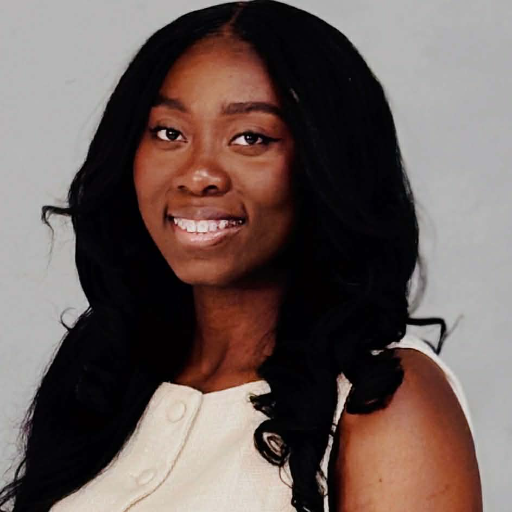
Mildred Nyaniba Bonful
B.S. in Chemistry, Biology minor, 2022
Dental College of Georgia, DMD class of 2027
"My time at UWG provided me with a strong academic foundation and the confidence to pursue my goals in professional school. The supportive faculty and rigorous science curriculum helped me develop the discipline, resilience, and critical thinking skills necessary to succeed in dental school."
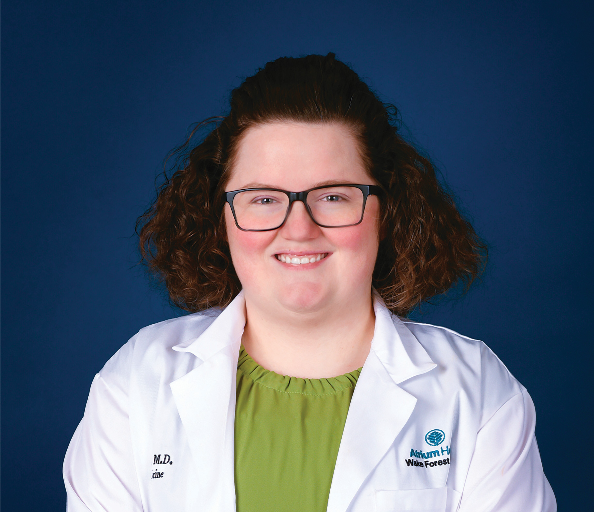
Calleigh Rebecca Hitt, MD
B.S. in Chemistry, 2018
Mercer University School of Medicine, MD class of 2022
Internship and residency at Atrium Health Wake Forest Baptist Medical Center
"My time at UWG prepared me for medical school in multiple ways. Primarily, it gave me an excellent foundation in basic sciences to build on. Specifically, my major in chemistry put me in courses which helped me build the ability to learn and work with complex concepts. It also gave me opportunities for leadership including in peer education which built skills that I use daily even now."
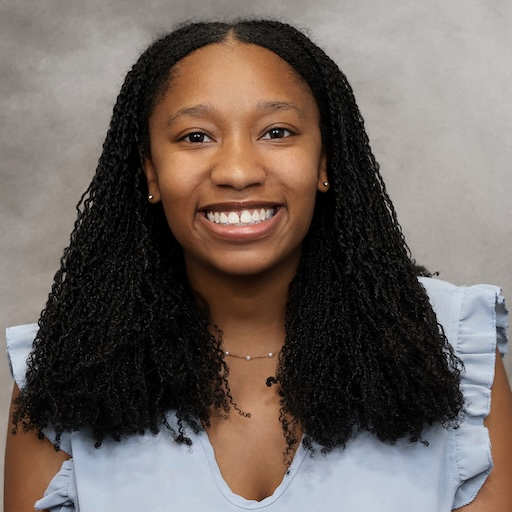
Janai Juanita Johnson
B.S. in Chemistry (Pre-Pharmacy Track), 2025
Current student at University of Georgia, College of Pharmacy
"Through the University of West Georgia, I became a leader in my community, gained practical skills, made lifelong connections, and obtained a strong foundation in chemistry, all of which have helped me succeed in pursuing my PharmD degree."
Allison Kimball Key, MD, FAAFP
BA in Chemistry, 2002
Mercer University School of Medicine, MD class of 2006
Floyd Family Medicine Residency, 2009
Fellow in the American Academy of Family Physicians
Founder and Owner of 3:16 Healthcare, LLC family of practices (multispecialty, family practice, aesthetics) and co-owner of Key Farms, LLC
"The smaller class size, the rigorous educational environment, the rich and unique educational experiences, and the personal investment of my professors at UWG were crucial factors to my acceptance into and preparation for medical school. Although I considered other universities, I felt certain that UWG offered everything I needed and more to reach my career goals in medicine--and they never let me down! I would highly recommend UWG for any students considering a future career in healthcare; UWG will certainly help set you up for success!"
Ajay Pillai, MD, FACC, FHRS
B.S. in Chemistry with Biochemistry concentration, 2008
Medical College of Georgia, MD class of 2012
Currently at Virginia Commonwealth University
"My experience at UWG was foundational to my success. Small class sizes led to meaningful relationships with my classmates and professors. The rigor of the curriculum prepared me exceptionally well for success in medical school and afterwards. Just as importantly, early experiences in the research lab instilled academic curiosity and inspired a lifelong love for research. I will forever be grateful to UWG for an exceptional education."
Tyler Rae Tribble Stanford, MGCS, CGC
B.S. in Biology with a Psychology minor, 2018.
Master’s of Genetic Counselor Studies from the University of Wisconsin- Madison in 2022
Licensed and certified Genetic Counselor at the Cleveland Clinic, specializing in Neurogenetics
"I believe many experiences at UWG helped me to be successful in my graduate training. The smaller class sizes allowed me to develop better relationships with professors and allowed me to feel more comfortable speaking in class, which aided in my academic success. Working as a Workshop Leader for the Chemistry department added to my comfortability with professors, while giving me the skills for peer-guided learning which is something I used both in my graduate training and while TA’ing during that time. The closeness of the science departments at UWG foster a sense of community and peer support, and I made friendships that I still have today. I’m grateful for the opportunities and experiences I had at UWG as they prepared me for graduate school."
Explore Career Opportunities in Health Professions
Below we have summarized some general information about common health professions including typical admission test requirements and links to relevant professional organizations.
Additionally, the University of Georgia (UGA) Pre-Professional Advising Office has developed a helpful and concise matrix comparing various professional health occupations and requirements for professional school admission.
Physicians support and manage the health care of people of all ages. They take medical histories, perform physical examinations, conduct diagnostic tests, recommend and provide treatment, conduct research, and advise patients on their overall health and well-being.
Dentists evaluate the overall health of their patients while advising them about oral health and disease prevention. They perform clinical procedures such as exams, fillings, crowns, implants, extractions, and corrective surgeries. Dentists may practice general dentistry or one of many specialties.
Veterinarians provide medical care for domestic animals, livestock, wildlife, exotic, zoo, and aquatic animals. They also work to control the spread of diseases, ensure food safety, and conduct research that benefits both animals and humans.
Pharmacists are medication experts who prepare and dispense prescriptions, ensure medicines and doses are correct, prevent harmful drug interactions, and counsel patients on the safe and appropriate use of their medications.
Physical therapists diagnose and treat individuals of all ages, helping them improve mobility, reduce or manage pain, restore function, and prevent disability. They work in hospitals, outpatient clinics, schools, sports facilities, and home health settings.
Physician assistants are medical providers licensed to diagnose and treat illnesses, develop treatment plans, and prescribe medication. They work in hospitals and clinics in collaboration with licensed physicians across a wide range of specialties.
Degree
M.P.A.S. (Master of Physician Assistant Studies)
Professional School Admissions Test
GRE (Graduate Record Examination), or
PA-CAT (Physician Assistant College Admission Test)
Occupational therapists help people of all ages live life to the fullest by promoting health and helping them prevent or live better with injury, illness, or disability. They focus on adapting the environment and tasks to fit the person.
Optometrists are the primary care doctors of the eye and frontline protectors of vision. They are often the first to detect critical health issues such as diabetes, hypertension, and stroke through eye examinations.